Do I need inventory for China dropshipping fulfillment?
Not always. Some providers purchase each order, while others require prepaid stock. Pre-stocking may improve speed and consistency after demand is validated.
dropshipping fulfillment China
dropshipping fulfillment China connects approved products, inventory, pick and pack, international parcel routes and tracking.
Start with one SKU and destination, then verify current packed dimensions, complete fees, order events and exception ownership before scaling volume.
Evaluate a fulfillment routeHow ProveedorPro works
Already have a product link, photo or specification? Start with the exact product and customer destination so the next step is based on evidence rather than a generic supplier promise.
Serving customers in Ireland?
Ireland changes the destination, EUR planning context, Revenue/VAT questions, consumer obligations and applicable EU product-safety checks. Use the localized owner page rather than treating another English-speaking market as interchangeable.
Review the Ireland-specific dropshipping fulfillment China guide →

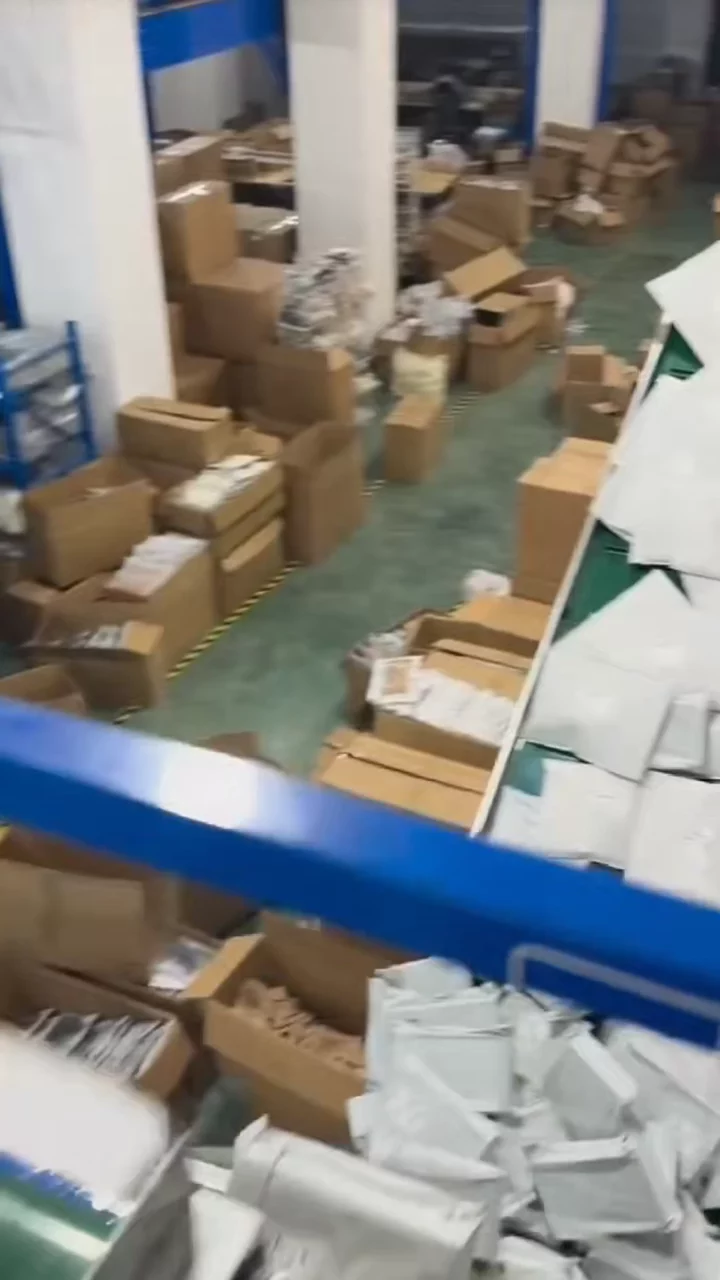
ProveedorPro operational evidence
Packed ecommerce parcels are prepared for international dispatch from China. This is ProveedorPro-owned footage selected from the canonical operational video library for this specific workflow.
Owned asset f0b5859718bf · captured 2026-07-30 · reviewed 29 September 2026
Decision supported: The China-side dispatch handoff; NZ routing remains a separate check.
Section 1
Map order import, payment or balance check, supplier purchase, warehouse receiving, inbound inspection, storage, picking, packing, carrier handoff and tracking return. Add an exception owner for address problems, stockouts and damaged goods. Ask which timestamps the provider records. A single “processing” status can conceal several days of waiting between supplier and warehouse. If you are planning this model for your market, see how ProveedorPro connects sourcing and fulfillment.
Section 2
Purchase-on-order reduces inventory commitment but adds supplier processing and availability risk to every order. Pre-stocked inventory can speed warehouse dispatch and stabilize variants, but ties up cash and requires replenishment planning. Many sellers use a hybrid: validate with purchase-on-order, then stock a measured quantity once demand and return behavior are clearer. For the next part of the decision, review China 3PL for a controlled ecommerce fulfillment operation.
Section 3
A useful quote separates purchase cost, China domestic freight, receiving, inspection, storage, pick and pack, packaging materials, international shipping, taxes or customs handling where applicable and exception fees. Dimensional weight can change shipping dramatically, so use packed measurements. Compare the same destination mix and service level; a headline per-order fee without transport is not a landed-cost comparison.
Section 4
Create unique SKUs that match the store, warehouse and supplier. Define how bundles, inserts and replacement parts are counted. Set low-stock alerts using supplier lead time and sales velocity, not vibes. For a product with four colors and two plugs, “80 units available” is meaningless unless the inventory is visible by sellable variant. This also connects directly to China 3PL pricing for a controlled ecommerce fulfillment operation.
Section 5
Confirm when tracking becomes active, which events are exposed, whether the last-mile number changes and how delivery exceptions are handled. Customs requirements vary by product and destination; no provider should promise universal clearance. Your customer-facing estimate should cover the full route to delivery and explain delays without making the buyer decode carrier archaeology. When you have a product candidate, request an exact sourcing and route review.
Section 6
Run a pilot across different variants and destinations. Measure order-to-purchase time, warehouse receipt, dispatch, first tracking event, delivery, packaging quality and support response. Include a deliberately difficult case such as an address correction or cancellation. A normal parcel tests the conveyor belt; an exception tests the company. For the operational handoff, continue with Dropshipping order fulfillment service from checkout to tracking.
Run this final operating check with the exact SKU and destination. A supplier badge or successful app connection does not replace product-level verification.
Verify current platform, trade, consumer or quality requirements before making a customer promise. Product and destination rules can change.
Not always. Some providers purchase each order, while others require prepaid stock. Pre-stocking may improve speed and consistency after demand is validated.
Pick and pack is the warehouse process of selecting the correct SKU and quantity, checking it as required, packaging it and preparing it for carrier handoff.
Providers may use a Shopify app, API, CSV or manual workflow. Test order matching, carrier names, split shipments and updated last-mile tracking before going live.
Responsibility depends on the route, product, destination and Incoterm or service agreement. Confirm the process in writing and avoid promising customers that every shipment is duty-free or delay-free.
A China warehouse can make sense when you source from several suppliers, need inspection or consolidation, or have enough repeat orders to benefit from controlled inventory and packing.
Share a product link, photo or description so the source, product details and available fulfillment route can be reviewed together.
Plan the China-to-Singapore fulfilment workflow, costs and handoffs.
Related operational guide: china fulfillment center.