What is a dropshipping fulfillment service?
It is the operational service that receives or purchases products, maps orders to SKUs, checks and packs parcels, dispatches them and returns tracking to the store.
dropshipping order fulfillment service
dropshipping order fulfillment service converts paid store orders into the correct picked, checked, packed and dispatched parcels.
The important question is whether the exact SKU, inventory state, processing clock, tracking handoff and exception owner remain visible enough to protect the customer promise.

ProveedorPro operational evidence
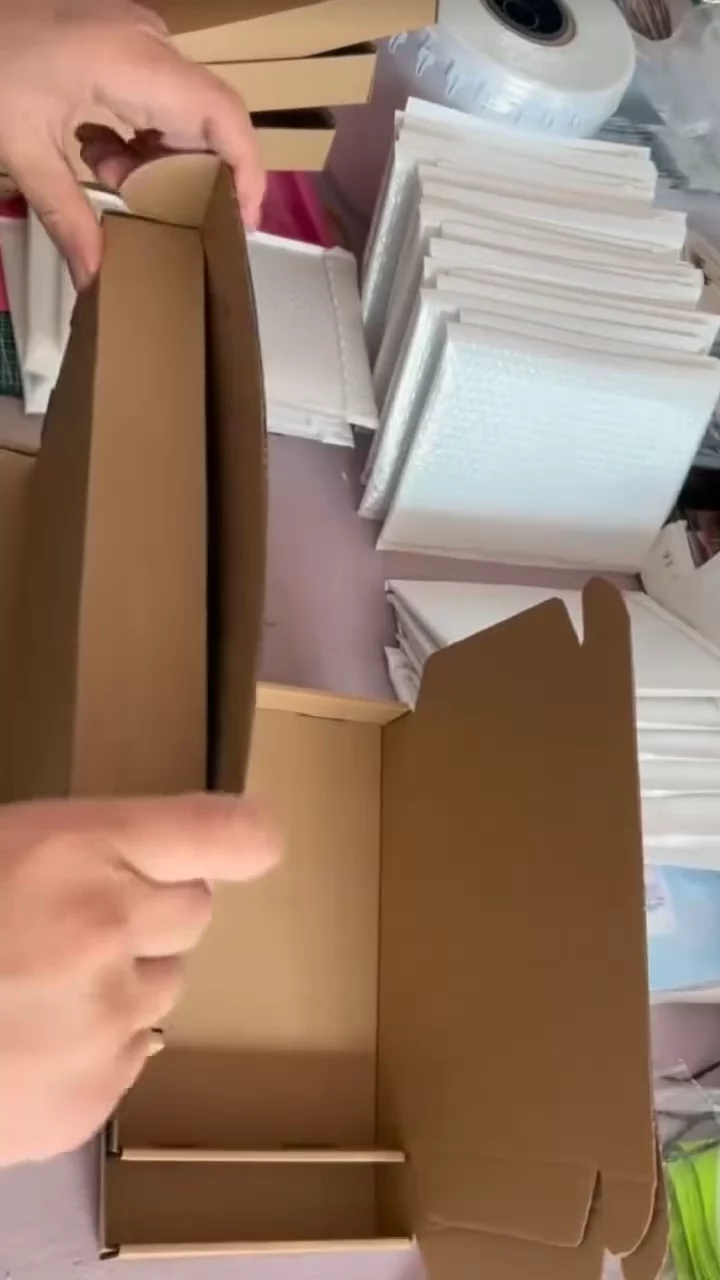
Workers prepare and pack individual ecommerce orders at a China fulfillment worktable. This is ProveedorPro-owned footage selected from the canonical operational video library for this specific workflow.
Page-specific evidence gate
Test who owns each physical and digital handoff before sending meaningful volume.
Section 1
Document how an order enters the system, how the variant is mapped, when inventory is reserved, who checks the item, which packaging is applied, how the route is selected and when tracking returns to the store. A single successful app connection is not a fulfillment test. The workflow is proven only when a real sample or pilot order completes every handoff. If you are planning this model for your market, see how ProveedorPro connects sourcing and fulfillment.
Section 2
Processing covers purchase, inbound receiving, picking, inspection and packing before carrier acceptance. Transit begins after dispatch. Keep those clocks separate so the product page does not describe a five-day carrier estimate as a five-day customer delivery promise. Confirm weekend, holiday, stockout and address-correction rules as well. For the next part of the decision, review China 3PL for a controlled ecommerce fulfillment operation.
Section 3
Per-order purchasing reduces inventory exposure but can add supplier processing variability. Small stocked quantities can improve consistency after demand is proven, but tie up cash and introduce forecasting risk. Use order velocity, source lead time, defect rate and route economics to choose. Inventory should be a response to evidence, not a graduation ceremony.
Section 4
Wrong variant, damaged product, stockout, failed tracking upload, parcel stall, address problem and replacement requests need named owners and evidence rules. Ask what happens, who acts and what record the merchant receives. Automation that handles only the happy path creates a very efficient way to discover unhappy customers. This also connects directly to China 3PL pricing for a controlled ecommerce fulfillment operation.
Section 5
Match receiving, handling, packaging and parcel charges to the order and warehouse events that created them. Sample normal orders, split shipments, cancellations and replacements. A monthly total may look plausible while small unexplained fees quietly repeat across every parcel, so preserve the rate card version and dispute window used for each audit. When you have a product candidate, request an exact sourcing and route review.
Section 6
ProveedorPro connects product-specific sourcing with store integrations, China-side handling, available shipping routes and tracking updates. Sellers can validate the item first, then move the approved SKU into a repeatable workflow instead of rebuilding the supply chain after every sale.
Run this final operating check with the exact SKU and destination. A supplier badge or successful app connection does not replace product-level verification.
Verify current platform, trade, consumer or quality requirements before making a customer promise. Product and destination rules can change.
It is the operational service that receives or purchases products, maps orders to SKUs, checks and packs parcels, dispatches them and returns tracking to the store.
It can for products and suppliers that support per-order purchasing. Processing variability may be higher, so test the exact source and route before scaling.
Test SKU mapping, stock confirmation, product condition, packing, dispatch time, tracking updates, delivery and at least one exception procedure.
Usually the merchant owns customer communication. Confirm what operational evidence and escalation support the provider supplies when an order has a problem.
Share a product link, photo or description so the source, product details and available fulfillment route can be reviewed together.