Do I need a warehouse for dropshipping?
Not necessarily. Per-order sourcing may work during testing. Warehousing becomes useful when proven demand, processing consistency, bundling or branding justify holding stock.
dropshipping warehouse China
dropshipping warehouse China operations can consolidate products, hold approved inventory, pick and pack orders, apply branding and dispatch through multiple routes.
The warehouse becomes valuable when receiving, SKU control, reconciliation and dispatch evidence reduce uncertainty.

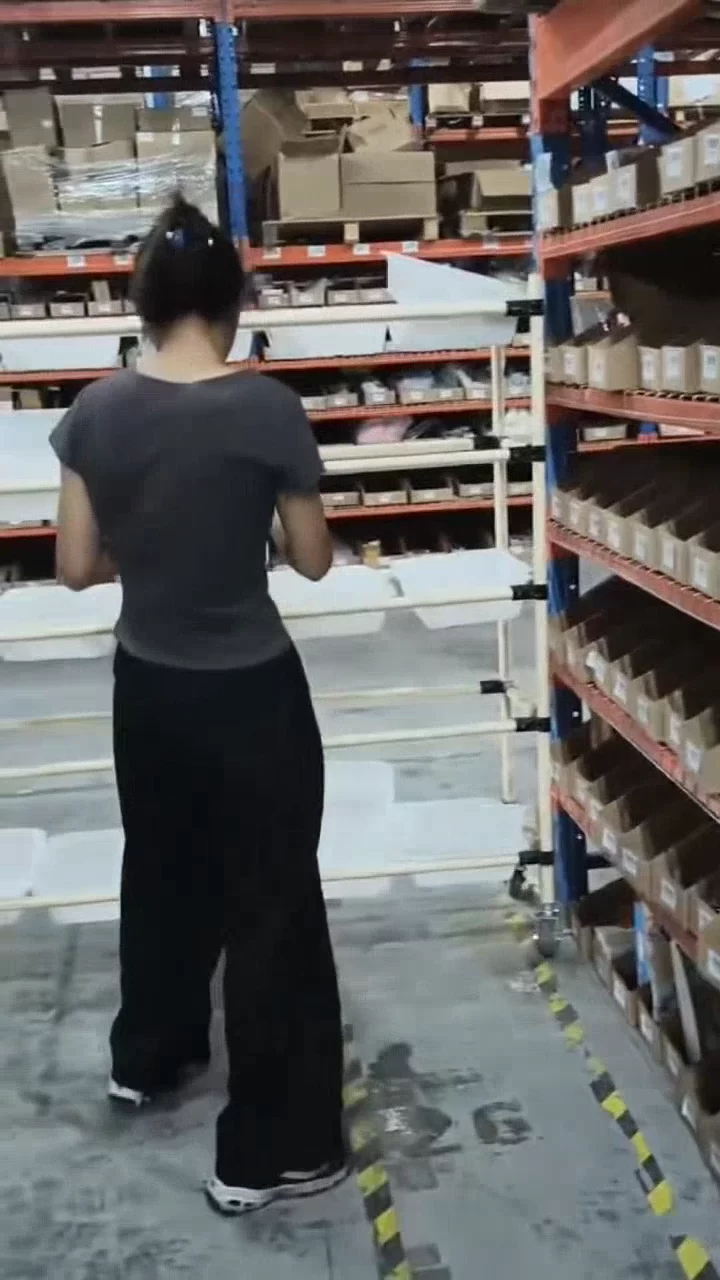
ProveedorPro operational evidence
Warehouse shelves, inventory locations and active order handling inside a ProveedorPro operational facility. This is ProveedorPro-owned footage selected from the canonical operational video library for this specific workflow.
Page-specific evidence gate
A warehouse should prove that the right variant can be received, located, picked and reconciled.
Section 1
Ask how inbound cartons are counted, photographed, labeled and reconciled against a purchase order. Define how shortages, visible damage and mixed variants are reported. Receiving is the moment supplier errors become warehouse facts. If the inventory record starts wrong, every later automation faithfully repeats the mistake. If you are planning this model for your market, see how ProveedorPro connects sourcing and fulfillment.
Section 2
Each sellable variant needs a distinct identifier connected to the store listing and warehouse location. Confirm barcode, relabeling, bundle and kit procedures. Run a deliberate test with similar colors or sizes to see whether the picker and system distinguish them. Variant accuracy matters more than a beautiful inventory dashboard. For the next part of the decision, review China 3PL for a controlled ecommerce fulfillment operation.
Section 3
Stocking can shorten processing and stabilize availability, but adds purchase, storage, aging and forecast risk. Per-order sourcing keeps cash flexible but depends on supplier response time and stock. Model both using actual order velocity, replenishment lead time, storage fee, pick fee and the cost of lost sales. Use a small buffer only after demand earns it.
Section 4
Confirm cut-off times, quality checks, packing stations, weight verification, carrier scan and tracking upload. Ask how parcels that miss a scan are discovered. A strong warehouse should show the evidence trail from inventory deduction to carrier acceptance and should explain the exception path without resorting to ‘the system usually works.’ This also connects directly to China 3PL pricing for a controlled ecommerce fulfillment operation.
Section 5
Build a monthly scenario using receiving, storage, pick-and-pack, packaging materials, labeling, inspections, inventory counts, returns and disposal—not only the advertised storage rate. Run low-, expected- and high-order cases, then include slow inventory and an urgent reconciliation. This reveals whether the warehouse still improves margin when sales are ordinary rather than heroic. When you have a product candidate, request an exact sourcing and route review.
Section 6
ProveedorPro can help source and approve the product, coordinate China-side fulfillment and connect store orders and tracking. This keeps the warehouse decision attached to product quality, route economics and customer communication instead of treating storage as an isolated vendor purchase.
Run this final operating check with the exact SKU and destination. A supplier badge or successful app connection does not replace product-level verification.
Verify current platform, trade, consumer or quality requirements before making a customer promise. Product and destination rules can change.
Not necessarily. Per-order sourcing may work during testing. Warehousing becomes useful when proven demand, processing consistency, bundling or branding justify holding stock.
Base it on verified order velocity, replenishment lead time, cash tolerance and stockout risk. Start with a limited buffer instead of forecasting from one strong advertising day.
Ask about receiving, storage, picking, packing, materials, labeling, inspections, returns, disposal, inventory counts and any account or software fees.
Use inbound records, SKU-level counts, cycle counts, discrepancy procedures and test orders. Confirm that store orders deduct the same variant the picker handles.
Share a product link, photo or description so the source, product details and available fulfillment route can be reviewed together.
Related operational guide: china warehouse receiving service.