Is a China sourcing agent the same as a supplier?
No. An agent searches, compares and coordinates sources on your behalf, while a supplier sells products. Some businesses perform both roles, so ask how the quote and relationship are structured.
China sourcing agent for dropshipping
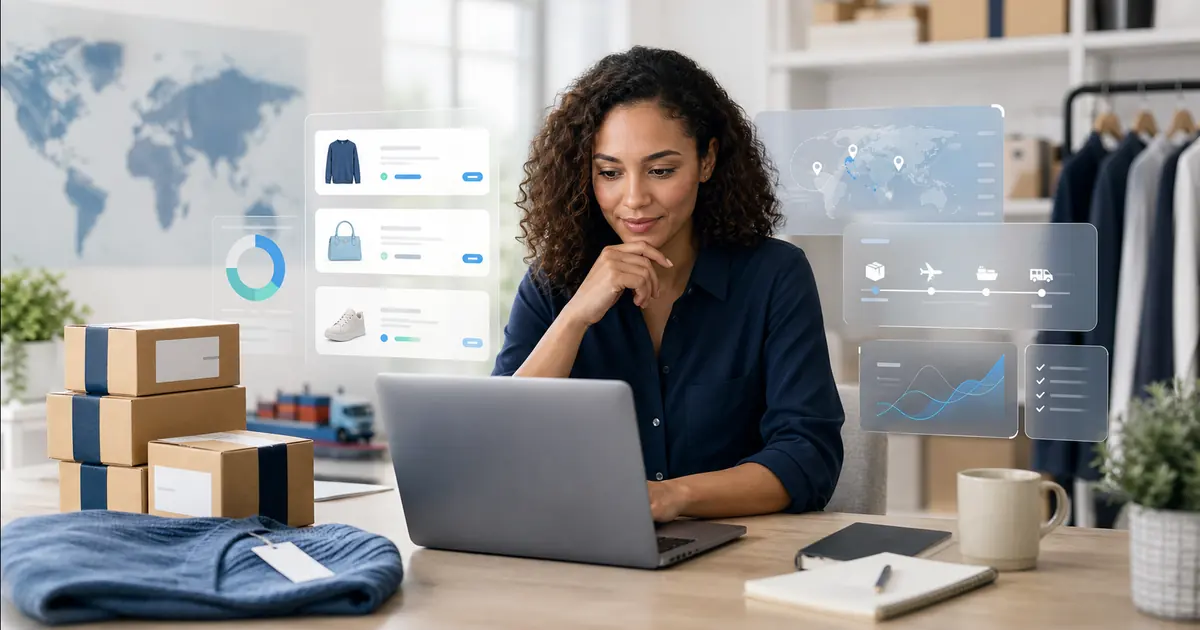
A China sourcing agent for dropshipping focuses on the China-side work behind a product: marketplace discovery, factory or trading-company comparison, sample approval, domestic receiving, inspection, packing and connection to an export route.
The value is not merely access to 1688, Taobao or Alibaba.
It is turning a Chinese listing or factory conversation into a SKU your fulfillment workflow can repeat.
Source your product in ChinaHow ProveedorPro works
Already have a product link, photo or specification? Start with the exact product and customer destination so the next step is based on evidence rather than a generic supplier promise.
Serving customers in Ireland?
Ireland changes the destination, EUR planning context, Revenue/VAT questions, consumer obligations and applicable EU product-safety checks. Use the localized owner page rather than treating another English-speaking market as interchangeable.
Review the Ireland-specific China sourcing agent for dropshipping guide →
Section 1
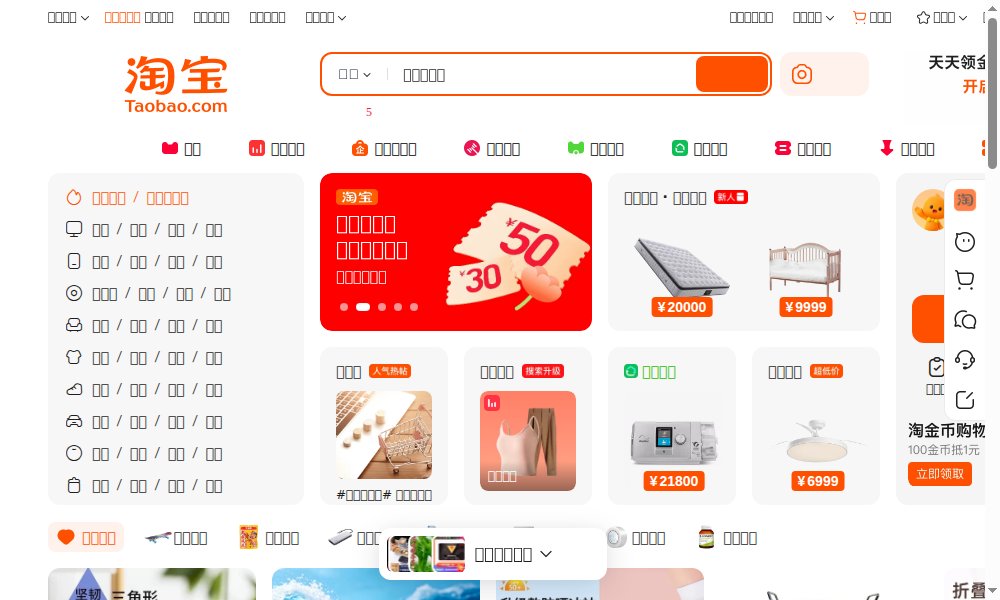
Depending on the product, agents may search 1688 for China-domestic wholesale, Taobao for consumer-style listings and references, Alibaba for export-ready suppliers, trade clusters, factory networks or existing supplier databases. A lower marketplace price does not prove a better factory. Listings can represent different grades, quantities, accessories or incomplete configurations. The agent should show how each candidate matches the brief and explain whether the source appears to be a factory, trading company or reseller. If you are planning this model for your market, see how ProveedorPro connects sourcing and fulfillment.
Section 2
Factories may offer stronger production control but prefer volume and narrower product categories. Trading companies can combine products and communicate more smoothly while adding margin. Marketplace sellers can be practical for tests but may have weaker continuity. Choose based on stage: a first sample needs speed and clarity; a scaling SKU needs repeatability, change control and a backup plan. The China-specific question is not only who sells it; it is who can keep sending the same version. For the next part of the decision, review Dropshipping: build a store that can source, fulfill and scale.
Section 3
Label the approved product with photos, measurements, material, color reference, included accessories, packaging and any functional test. Keep an approval record that purchasing, warehouse and fulfillment staff can use later. "Same as sample" is too vague when a supplier changes a cable, finish or instruction sheet. A golden sample or documented specification gives quality control something objective to compare against.
Section 4
Beyond unit price, budget for domestic freight to the warehouse, receiving, inspection, repacking, storage, pick and pack, payment handling, international shipping and exception work. Custom packaging may add design, plate, print or minimum-quantity costs. Ask which costs are estimates and which are confirmed. A quote should make uncertainty visible rather than hiding it inside one suspiciously tidy number. This also connects directly to Dropshipping sourcing agent: scope, fees and fit checklist.
Section 5
Share only the information needed at each stage, use written specifications and clarify ownership of artwork, molds and packaging files. For a branded product, discuss trademark permissions and avoid asking an agent to source counterfeit goods. If exclusivity matters, define territory, duration, minimum purchase and what exactly is exclusive. A chat screenshot is not a supply-chain agreement. When you have a product candidate, request an exact sourcing and route review.
Section 6
For Mexico and Latin America, the Chinese source is only half the decision. Product category, packed weight, destination, tracking, customs handling and last mile change the route. ProveedorPro combines China-side source verification with route evaluation for LATAM sellers. Confirm each country separately; "Latin America" is a region, not one customs desk with a very large inbox. For the operational handoff, continue with China dropshipping suppliers: how to source beyond a list.
Run this final operating check with the exact SKU and destination. A supplier badge or successful app connection does not replace product-level verification.
Verify current platform, trade, consumer or quality requirements before making a customer promise. Product and destination rules can change.
No. An agent searches, compares and coordinates sources on your behalf, while a supplier sells products. Some businesses perform both roles, so ask how the quote and relationship are structured.
Many China-based agents can purchase from 1688, receive goods and arrange onward shipping. Verify product matching, payment conversion, inspection, returns and the marketplace seller’s reliability.
Approve a detailed specification or golden sample and require checks against it. Record materials, dimensions, color, components, packaging and tolerances instead of relying on a listing title.
It depends on the source and fulfillment model. Some products can begin with samples or small quantities; customization and factory production often require minimums. Ask for both validation and scaling scenarios.
Search, negotiation and sampling time varies by product complexity and supplier response. Production, China domestic receiving and international shipping are separate stages. Request a stage-by-stage estimate rather than one combined promise.
Share a product link, photo or description so the source, product details and available fulfillment route can be reviewed together.
Related operational guide: china 3pl vs dropshipping agent.