What should I verify before using WooCommerce fulfillment from China?
Verify the exact service scope, receiving and inventory controls, packed product data, route, tracking, exception ownership, complete fees and exit terms with a bounded pilot.
WooCommerce fulfillment from China
WooCommerce fulfillment from China helps ecommerce sellers connect WooCommerce orders to a China fulfillment workflow.
The decision should connect product identifiers, webhooks or imports, inventory updates, tracking and plugin failure recovery to one product, destination, customer promise and complete per-order economics.
This guide explains what to verify, what to price and how to test the workflow before increasing inventory or order volume.
Review my WooCommerce fulfillment from China planHow ProveedorPro works
Already have a product link, photo or specification? Start with the exact product and customer destination so the next step is based on evidence rather than a generic supplier promise.

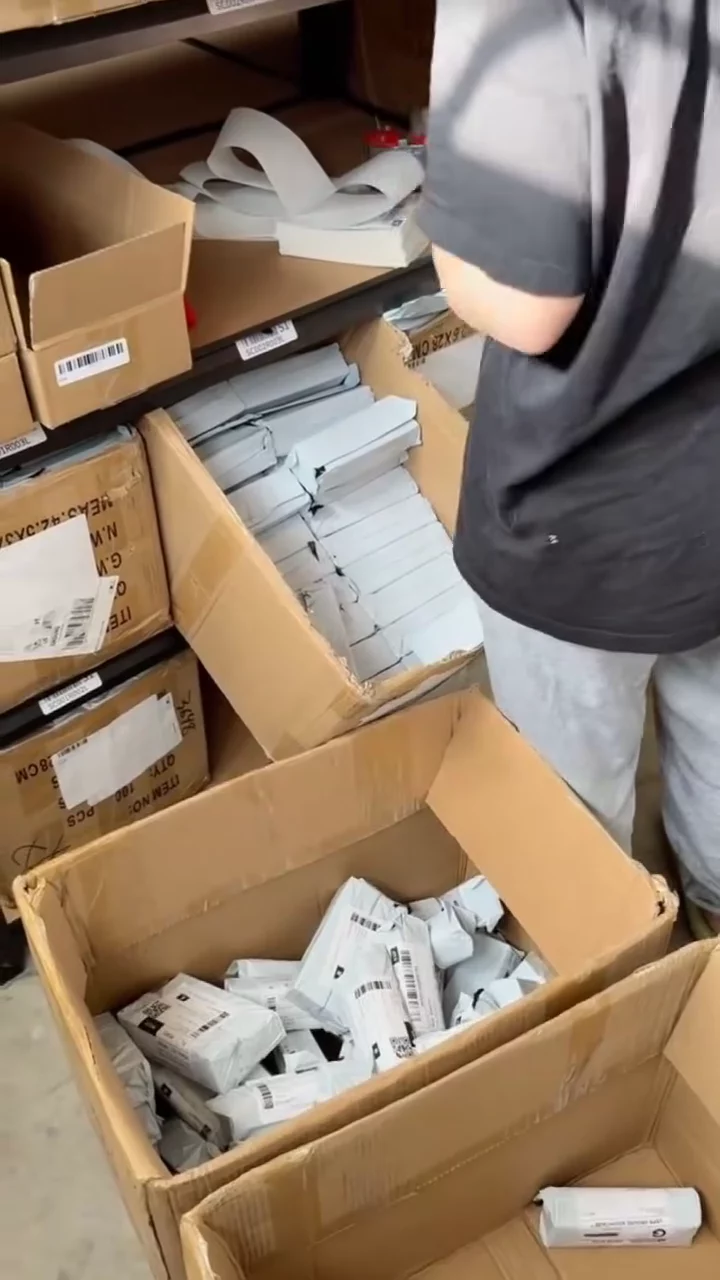
ProveedorPro operational evidence
New orders move into packing and labeling as part of the fulfillment handoff. This is ProveedorPro-owned footage selected from the canonical operational video library for this specific workflow.
Owned asset e8d1c4e36158 · captured 2026-08-14 · reviewed 29 September 2026
Decision supported: The store-order-to-warehouse handoff.
Section 1
To evaluate WooCommerce fulfillment from China, begin with woocommerce data contract. Use a real SKU and destination to define product identifiers, webhooks or imports, inventory updates, tracking and plugin failure recovery. The woocommerce data contract record should name each owner, the required WooCommerce fulfillment from China evidence, every quoted fee and the escalation rule. That lets the merchant, warehouse and support team test one promise while they connect WooCommerce orders to a China fulfillment workflow. Verify the result with current records before treating define the buyer job for woocommerce fulfillment from china as an approved operating claim. To connect this requirement to a real store workflow, review ProveedorPro’s integration path.
Section 2
Use integration pilot checklist to map the normal WooCommerce fulfillment from China path and its exceptions. Test shortages and uncertain variants across product identifiers, webhooks or imports, inventory updates, tracking and plugin failure recovery. Then use the integration pilot checklist plan for missed cutoffs, absent scans, address changes and damage. Those WooCommerce fulfillment from China cases show whether resolution is included or moved into support chat. Verify the result with current records before treating woocommerce data contract as an approved operating claim. For the next part of the decision, review China 3PL for a controlled ecommerce fulfillment operation.
Section 3
Run a bounded WooCommerce fulfillment from China pilot around failure recovery plan before volume moves. Set failure recovery plan inputs, checkpoints and pass criteria for the goal to connect WooCommerce orders to a China fulfillment workflow. Require the relevant WooCommerce fulfillment from China timestamps, photos, weights, scans or system events across product identifiers, webhooks or imports, inventory updates, tracking and plugin failure recovery. Judge that evidence against margin and the customer promise. Verify the result with current records before treating integration pilot checklist as an approved operating claim.
Section 4
Use model the complete operating cost to connect WooCommerce fulfillment from China with working capital. Price product identifiers, webhooks or imports, inventory updates, tracking and plugin failure recovery alongside the woocommerce data contract requirements, inventory, materials, support and replacement exposure. Compare identical WooCommerce fulfillment from China dimensions and responsibilities. Pennies matter at DTC scale, while an incomplete woocommerce data contract rate card can hide much more. Verify the result with current records before treating model the complete operating cost as an approved operating claim. This also connects directly to China 3PL pricing for a controlled ecommerce fulfillment operation.
Section 5
Document integration pilot checklist inside the approved WooCommerce fulfillment from China process. Attach the SKU, destination, packing rule and route to product identifiers, webhooks or imports, inventory updates, tracking and plugin failure recovery. Add the relevant integration pilot checklist event, exception owner and escalation contact. Reopen the WooCommerce fulfillment from China decision when volume, dimensions, destination rules or carrier allocation changes. Verify the result with current records before treating failure recovery plan as an approved operating claim. Once the product and platform requirements are defined, request a product-specific quote.
Section 6
ProveedorPro can help sellers connect WooCommerce orders to a China fulfillment workflow by reviewing failure recovery plan with current product evidence and product identifiers, webhooks or imports, inventory updates, tracking and plugin failure recovery. The WooCommerce fulfillment from China quote still depends on the packed item, destination, volume and requested responsibility. Therefore the failure recovery plan plan cannot promise one universal parcel rate or guaranteed time across every route. Verify the result with current records before treating build a controlled proveedorpro pilot as an approved operating claim. For the operational handoff, continue with International parcel shipping from China for a controlled ecommerce fulfillment operation.
Run this final operating check with the exact SKU and destination. A supplier badge or successful app connection does not replace product-level verification.
Verify current platform, trade, consumer or quality requirements before making a customer promise. Product and destination rules can change.
Verify the exact service scope, receiving and inventory controls, packed product data, route, tracking, exception ownership, complete fees and exit terms with a bounded pilot.
Cost depends on the product, packed weight and dimensions, destination, volume, storage, handling, packaging, route and exception scope. Compare providers with the same inputs rather than a headline rate.
ProveedorPro can evaluate the operating fit without using a universal public daily-order minimum. Product, route, service scope and economics determine the practical setup.
No responsible provider can guarantee one universal time across products, destinations and carriers. Build the customer promise from current processing and route evidence, then monitor actual scans and exceptions.
Bring the product link and destination so the supplier, integration, fulfillment and landed-cost assumptions can be reviewed together.