private label dropshipping supplier Singapore: evaluate product modification before you commit
private label dropshipping supplier Singapore starts with one exact product, a Singapore destination and a documented operating plan.
Compare product modification, pilot MOQ, brand consistency before publishing a customer promise.
ProveedorPro coordinates supported China-side sourcing and fulfilment; the seller remains responsible for applicable Singapore GST, import, product-safety and customer obligations.
A Singapore-focused decision map connecting product evidence, China-side operations, GST and import checks, fulfilment and a quote-ready next step.ProveedorPro workflow evidence: A product-specific quote connects the search intent to an exact SKU, destination, cost and operating route.
First-party evidence selected for this buyer job
What the operation can show before you commit
These ProveedorPro-owned assets are mapped to this page because they support its specific decision. They show observable workflow evidence; they do not guarantee a future supplier, cost, quality result, customs outcome or delivery time.
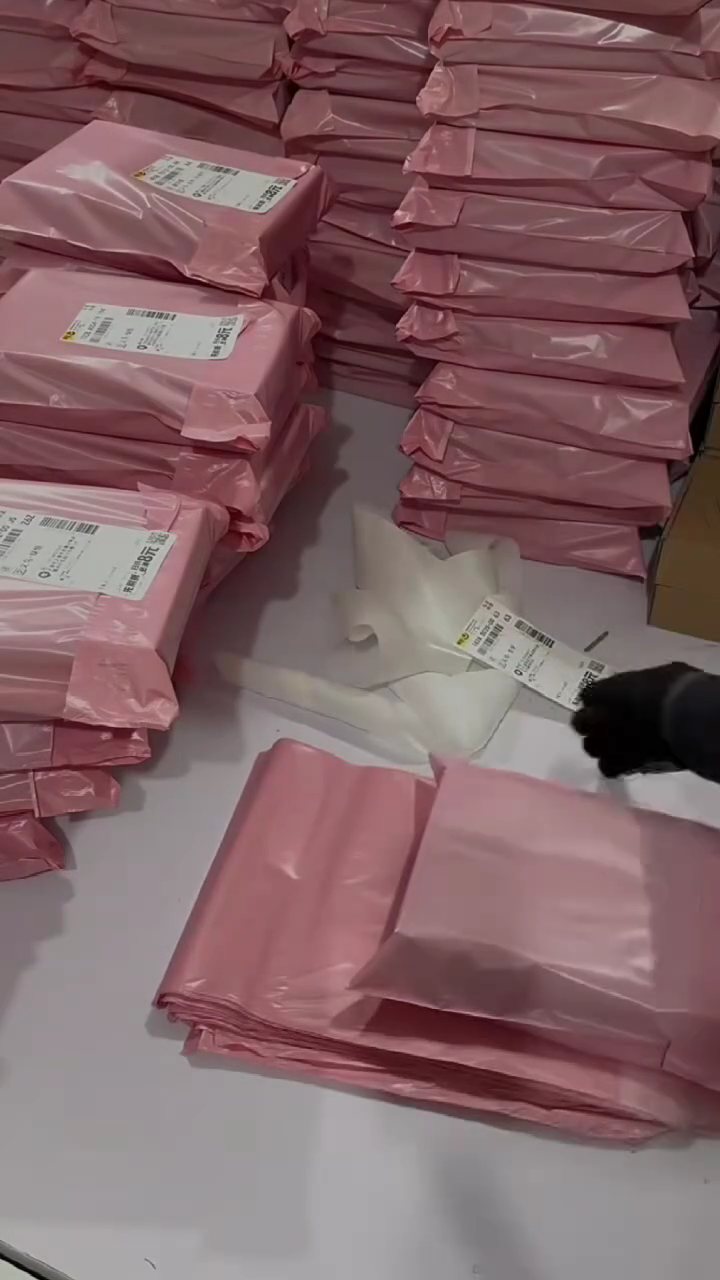
Custom packaging evidence. custom ecommerce packaging being prepared for orders. It supports the product modification decision for this page; it is operational evidence, not a delivery, cost or quality guarantee. ProveedorPro-owned first-party asset.Product inspection evidence. a ProveedorPro operator inspecting a physical product. It supports the pilot MOQ decision for this page; it is operational evidence, not a delivery, cost or quality guarantee. ProveedorPro-owned first-party asset.
ProveedorPro operational evidence
Product kitting and custom box assembly
Products and packaging components are combined into a customer-ready kit. This is ProveedorPro-owned footage selected from the canonical operational video library for this specific workflow.
Evidence mini-case: a multi-component private-label pack-out
Input: Buyer job: Select a private-label supplier for Singapore sales. The evidence was selected to test private-label supply, not to stand in for a Singapore-specific quote or delivery record.
Observed: What the owned asset shows: several product and packaging components combined into a customer-ready kit.
Decision: Decision supported for private label dropshipping supplier Singapore: create a component list and golden pack-out reference before authorizing repeat assembly.
Still to verify: What remains unproven until a live product is reviewed: the seller-specific contents, error rate, MOQ, compliance evidence and Singapore route.
A reviewed still from the same ProveedorPro-owned operation, placed here because it visibly supports this page's fulfillment decision.
Section 1
private label dropshipping supplier Singapore: the direct answer
private label dropshipping supplier Singapore starts with one exact product, a Singapore destination and a documented operating plan. Compare product modification, pilot MOQ, brand consistency before publishing a customer promise. ProveedorPro coordinates supported China-side sourcing and fulfilment; the seller remains responsible for applicable Singapore GST, import, product-safety and customer obligations. If you are planning this model for Singapore, see how ProveedorPro connects sourcing and fulfillment.
Buyer job: Select and start a paid private label dropshipping supplier Singapore workflow for a Singapore ecommerce business.
Decision boundary: Merging with custom-packaging would remove this buyer job's distinct provider-selection criteria, proof requirement and conversion handoff.
Start with a product URL or specification, exact variant, quantity, destination postal code and required evidence.
Run a controlled trial for product modification before relying on it in customer-facing promises. Use one representative SKU and trace the work from request through approval, exception handling and handoff. Note every manual intervention, missing datum and changed charge. For private label dropshipping supplier Singapore, a successful trial creates a clear product modification pass/hold record with an accountable owner and a repeatable instruction for the next order. For the next part of the decision, review dropshipping suppliers Singapore: evaluate supplier model fit before you commit.
Evidence needed: dated proof for the exact variant and stated scope.
Decision owner: the person allowed to approve or stop the next step.
Failure test: the condition that triggers a hold or corrective action.
Make pilot MOQ a documented gate, not a promise in a sales chat. For private label dropshipping supplier Singapore, begin with the exact SKU, variant, quantity and Singapore destination, then record the evidence that would allow the team to approve, hold or reject the option. The useful output is a clear pilot MOQ pass/hold record with an accountable owner; it should name the reviewer, evidence date and next action. A listing, dashboard or verbal assurance may start the investigation, but it cannot prove the physical product or future route.
Commercial boundary: included and excluded work shown separately.
Comparison basis: the same SKU, quantity, packing and destination.
Review trigger: any material product, supplier, route or platform change.
For brand consistency, define success before requesting a quote. State the acceptable product result, operating boundary and exception threshold, and make each party confirm its part. Review the evidence again after any supplier, packaging, route or platform change. This produces a clear brand consistency pass/hold record with an accountable owner and prevents a discovery-stage assumption from quietly becoming a customer-facing commitment. This also connects directly to custom packaging dropshipping Singapore: evaluate artwork proof before you commit.
Handoff input: the record the next operator must receive.
Exception path: owner, response and customer remedy.
Scale proof: a successful test order or evidence review before volume increases.
This page is scoped to the paid buyer job “Select and start a paid private label dropshipping supplier Singapore workflow for a Singapore ecommerce business.” and the service-landing format observed in the Singapore research package completed on 1 October 2026. It uses Singapore Customs and IRAS as primary references for import and GST context. Competitor structures informed the questions and decision modules, but their wording was not copied. Product, supplier, route and tax outcomes remain dependent on the live SKU and transaction. When you have a product candidate, request an exact sourcing and route review.
The working process for the branded-product workflow
The working process for the branded-product workflow starts with a documented product request, then turns private-label supply into observable checkpoints. Confirm the exact product, shortlist the appropriate source or operating model, collect recent supporting records, approve a sample or specification, confirm packaging and measure the packed parcel. Only then should the team lock the fulfilment and Singapore route. For suppliers work, the decisive proof is not a generic assurance; it is a record that connects the approved SKU to receiving, handling, dispatch and the customer-facing tracking event. The page-specific checkpoint in this section is product modification; record its owner and dated proof before advancing. For the operational handoff, continue with Dropshipping fulfillment China for a controlled store-to-door workflow.
1. Define the exact product and acceptance criteria.
2. Compare source or service options on one scope.
3. Approve samples, evidence and packaging.
4. Test the physical and digital order handoff.
5. Document the route, exceptions and delivery and support promise.
Singapore import, GST and product-safety checks belong before launch
the branded-product workflow still depends on the exact product entering Singapore; “the carrier accepted it” is not the same as “the product is cleared and commercially ready.” Singapore customs and GST rules and applicable Singapore product-safety requirements can affect goods imported from China. Check the category, materials, intended use, documentation and importer and supply-chain responsibilities before the product page goes live. If the product is regulated or raises category-specific safety questions, obtain qualified advice. ProveedorPro can help collect evidence for private-label supply, but does not replace IRAS and Singapore Customs, product-safety, tax or legal advice. The page-specific checkpoint in this section is pilot MOQ; record its owner and dated proof before advancing.
Check Singapore product requirements for the exact category, materials and intended use.
Confirm Singapore Customs classification, valuation, GST and import GST and importer details.
Keep supplier declarations and approval documentation with the SKU record.
Do not advertise a delivery date until the route and clearance assumptions are tested.
For the branded-product workflow, a useful commercial comparison starts with a shared comparison baseline. Record the product and packaging cost, China-side handling, inspection or sample work, measured shipment profile, fulfilment charge, transport, payment fees and an allowance for exceptions. Convert the planning view into SGD, but keep the source currency and exchange-rate date so later quotes remain comparable. Do not turn an illustrative calculation into a tax or delivery promise. Singapore IRAS and Singapore Customs explains that GST, import GST arrangements and customs treatment depend on the goods, seller arrangement, intrinsic value and consignment; those facts must be checked for the actual transaction. The page-specific checkpoint in this section is brand consistency; record its owner and dated proof before advancing.
Use one approved SKU and package specification across every quote.
Separate product cost, operational fees and route cost.
Record whether GST is collected at checkout through import GST arrangements or handled under another applicable arrangement.
Recheck margins after refunds, replacements, payment fees and ad spend.
Separate cosmetic branding from product modification
Private label can mean a logo on standard packaging, a custom insert, a changed color, a revised component, a new formulation or a fully exclusive product. Classify the requested change before collecting quotes because each level creates different tooling, sample, ownership, compliance and minimum-order questions. Keep artwork files, color references, dielines and approvals under version control. When the product itself changes, create a new specification and repeat the relevant sample, safety and inspection work instead of assuming the generic item evidence still applies. Ask who owns molds, printing plates and unused packaging, whether the source may sell the same design, and how obsolete materials are handled after a revision. The launch gate is a matched set: approved product, approved packaging, correct labels, documented quantity and a replenishment plan. Branding should not move faster than the evidence supporting the physical item.
Change class: packaging, appearance, component, formulation or exclusive design.
Ownership record: artwork, tooling, unused materials and reuse rights.
Release set: matching product, packaging, labels and approved version.
Run this final operating check with the exact SKU and destination. A supplier badge or successful app connection does not replace product-level verification.
Approve the exact variant, specification, package contents and product evidence.
Calculate landed cost with packing, fulfillment, route, fees, acquisition and expected exceptions.
Test a sample or low-risk live order through the destination customers will actually use.
Confirm inventory, processing, tracking, cancellation, defect and replacement procedures.
Align the product page, delivery range and return language with the tested workflow.
Document the approved source and keep a qualified backup for any critical SKU.
Authoritative resources
Verify current platform, trade, consumer or quality requirements before making a customer promise. Product and destination rules can change.
How should a Singapore seller evaluate private label dropshipping supplier Singapore?
Start with one exact product and compare product modification, pilot MOQ, brand consistency on the same scope. Keep every price, sample, inspection and route assumption dated.
Does ProveedorPro guarantee delivery times for private label dropshipping supplier Singapore?
No. Delivery depends on the product, packed parcel, current route, customs and last-mile handoff. A live quote should state its assumptions and validity date.
How should GST be handled for orders sent to Singapore?
Singapore GST treatment depends on the transaction, seller or marketplace registration, item value and import route. Check current IRAS and Singapore Customs guidance for the actual order.
What evidence should be collected before scaling private label dropshipping supplier Singapore?
Keep the approved specification, supplier comparison, sample or inspection evidence, packing details, route quote, tracking test and exception owner together.
What is the next step with ProveedorPro?
Submit the product link or specification, exact variant and Singapore destination. ProveedorPro can scope the supported China-side sourcing, evidence and fulfilment work.
Turn a dropshipping idea for Singapore into operating numbers
Share a product link, photo or description so the source, product details and available fulfillment route can be reviewed together.