Can 1688 orders be automated?
Parts of the workflow can be automated after the product, supplier and fulfillment route are approved.
1688 dropshipping automation
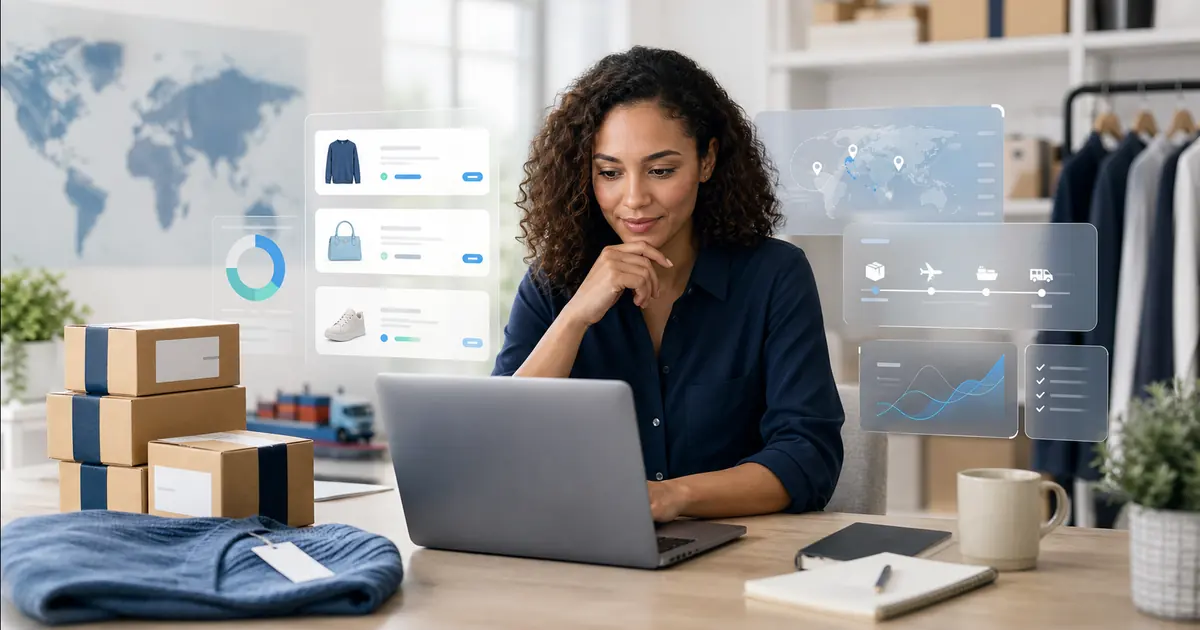
Automation should connect approved products to real warehouse and order operations.
It does not replace supplier verification, quality control or route planning; it makes the repeatable handoffs easier to manage.
Section 1
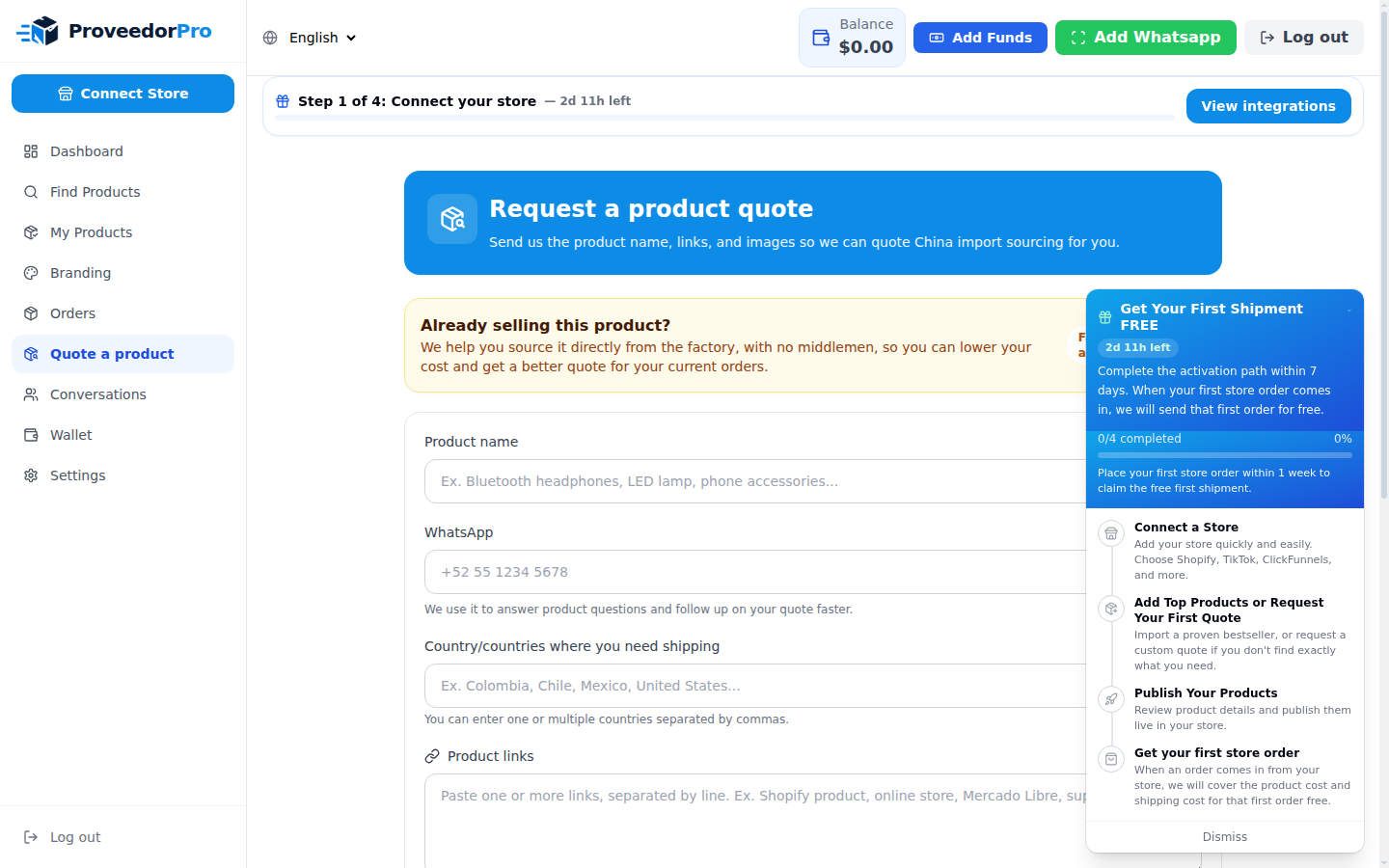
After a product and route are approved, systems can support SKU mapping, order intake, purchasing workflows, fulfillment status and tracking updates. If you are planning this model for your market, see how ProveedorPro connects sourcing and fulfillment.
Section 2
Supplier changes, uncertain variants, failed inspections and delivery exceptions require decisions. Good automation keeps those exceptions visible rather than silently moving a bad order forward. For the next part of the decision, review 1688 dropshipping agent: turn a domestic listing into a deliverable SKU.
Section 3
Run a complete test order through the intended store, warehouse and destination. Confirm status updates and ownership at every handoff before adding volume.
Run this final operating check with the exact SKU and destination. A supplier badge or successful app connection does not replace product-level verification.
Verify current platform, trade, consumer or quality requirements before making a customer promise. Product and destination rules can change.
Parts of the workflow can be automated after the product, supplier and fulfillment route are approved.
Not when seller communication, payment, receiving or physical quality control still require China-side work.
Yes, when the store and fulfillment workflow are integrated correctly.
No. Verify the exact product and operating economics before publishing or scaling it.
Share a product link, photo or description so the source, product details and available fulfillment route can be reviewed together.